

Plants that improve sleep quality: Sleep is necessary to physical health, emotional wellness, and clarity of mind. However, stress, anxiety, artificial light, noise, as well as indoor air pollution are some of the issues that many people face when it comes to poor sleep. Although a better sleeping routine and less screen time are valuable, an element of nature and one that is frequently ignored in promoting better sleep is indoor plants.
Some plants would be used to enhance the quality of sleep by filtering the air, enhancing the oxygen concentration, emitting a relaxing fragrance or by making the bedroom a soothing atmosphere. This paper will discuss sleep enhancing plants, their mechanism of action and demonstrate how to make them effective in your house.
The role of Plants in sleeping better
Plants harness an effect on sleep, both physically and psychologically:
- Enhance quality of air: Clean air helps people breathe better at night.
- Enhance oxygen concentration: There are plants that emit oxygen during the night.
- Less stress and anxiety: green decreases cortisol.
- Encourage rest: Natural objects and forms of softness are relaxing.
- Promote healthy sleep habits: Nurturing plants develops conscious patterns.
- These effects, combined, make the environment conducive with deeper and more restful sleep.
The importance of Bedroom Environment to Sleep
Your bedroom is expected to be a cue of safety, calm and rest to your brain. Stuff getting in the way, bad lighting, stale air, and dirty air can disrupt sleep -even when you are not in conscious notice of it.
The correct plants will add to your bedroom:
- Make the environment more relaxed and more welcoming.
- Less dryness and irritation of the air.
- Relax the mind in a natural manner.
It all comes down to the selection of non-overstimulating and low maintenance plants that will not distract but aid the rest process.
The Best Plants to Improve the Quality of Sleep
Some of the best plants to help in promoting sleep and relaxation are as listed below.
1. Lavender
Lavender is among the most popular plants in enhancing sleep.
Sleep benefits:
- Lessens anxiety and nervousness.
- Slows heart rate
- Enhances better and deeper sleep.
The calming aroma of Lavender is particularly beneficial to individuals who experience excessive thoughts before going to sleep. It likes lots of light in the daytime and soils that are well drained.
2. Snake Plant
The snake plants are the best bedroom plants.
Why it helps sleep:
- Releases oxygen at night
- Clogs indoor air pollutants.
- Requires very little care
It is also perfect in the bedrooms because of its straight leaves that produce a sense of order and tranquility.
3. Jasmine
Jasmine is famous due to its relaxing smell.
Sleep benefits:
- Reduces anxiety levels
- Improves sleep quality
- Improves a sense of relaxation and ease.
Research indicates that the smell of jasmine may be as efficient as certain sleep medication may be in promoting sleep. It likes sunshine indirectly.
4. Aloe Vera
Aloe vera is effective and bedtime appropriate.
Why it’s helpful:
- Releases oxygen at night
- Improves air quality
- Requires minimal watering
It is an excellent option when an individual is in need of a low maintenance, easy to maintain bedroom plant.
5. Peace Lily
Peace lilies make people sleep better as they make the surroundings healthier.
Sleep-supporting benefits:
- Filters airborne toxins
- Increases humidity
- Produces an image of calmness.
They like medium to light soil, which is slightly damp.
6. Valerian
Valerian is also traditionally desired as a natural sleeping aid.
Why it helps:
- Is known to have calming effects.
- May decrease the time of sleeping.
- Helps in reducing the nervous system.
Valerian likes sunshine and ventilation. Its scent is strong to some people thus it is better placed slightly away the bed.
7. English Ivy
English ivy is a good one to enhance the quality of night air.
Sleep benefits:
- Reduces airborne mold
- Helps ease breathing issues
- Works well in small spaces
It is particularly useful to those individuals who have allergies or mild sleep-onset asthma.
8. Bamboo Palm
Bamboo palm brings out a calming overall environment.
Why it’s sleep-friendly:
- Improves air humidity
- Filters indoor pollutants
- Dull, drifting leaves are conducive to tranquility.
It fits well in the corner of the bedroom or windows.
9. Gardenia
Gardenia contains a relaxing smell like lavender.
Benefits for sleep:
- Reduces anxiety
- Encourages relaxation
- Produces a relaxing bedroom effect.
The gardenias are a bit more demanding, yet they can be used by individuals who have sleeping problems caused by stress.
10. Chamomile
Much has been known about the calming effects of chamomile.
Why it supports sleep:
- Helps reduce anxiety
- Encourages relaxation
- Both as a plant and as a tea.
A visual tranquility is given to the bed by a chamomile plant, and internally the chamomile tea aids in sleep.
Most Packed Sleep-Enhancing Plants.
The position is important in the utilization of plants as a sleep aid.
Alongside a window: Lavender, aloe vera
Corners of the bedrooms: Snake plant, bamboo palm.
Small jasmine or chamomile, nightstand or shelf.
Out of air-flow: gardenia, peace lily.
Do not overcrowd the bedroom with plants, 1 to 3 plants should be sufficient.
What is the Number of Plants in the Bedroom?
More is not always better. For sleep:
- 1 plant in small bedrooms
- 2–3 plants in larger bedrooms
Excessive number of plants may be overly humid or become a visual distraction.
How to Take Care of Bedroom Plants without Making Sleep Disturbances.
The plants are capable of supporting rest and not stress-inducing.
Tips:
- Select low maintenance varieties.
- Day and not late in the night water.
- Plants that are sensitive with heavy fragrance in the night should be avoided.
- Mold is avoided by keeping soil clean.
- Greenery is more efficient in aiding sleep.
- Plants are psychologically helpful in sleep.
In addition to air quality, plants contribute to sleep because they:
- Reducing bedtime anxiety
- Promoting a relaxing evening ritual.
- Developing a feeling of security and comfort.
- Turning hostile bedrooms into friendly ones.
- These are long-run effects that are mild but potent.
Basic Voodoo about Plants and Sleep.
Myth: Plants lower the amount of oxygen at night.
Fact:Very little oxygen is consumed and there are plants which emit oxygen.
Myth: Plants cause poor sleep
Fact: Correctly selected plants enhance the quality of sleep.
Myth: You need many plants
Fact: A single plant will be a difference.
Conclusion
A natural, mild method to promote better sleep is through the use of plants that promote better sleep quality. The correct plants will make your bedroom a rest temple: soothing lavender and jasmine to air-purifying snake plants and aloe vera, the right plants will make your bedroom a calm sleeping haven.
These plants can also ease your body and mind by enhancing the air quality, relieving stress, and calming down your environment, therefore, helping you fall sleep, sleep longer, and wake up feeling better.


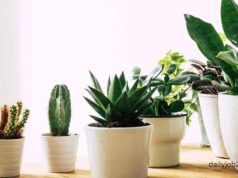






[…] Plants that improve sleep quality […]