
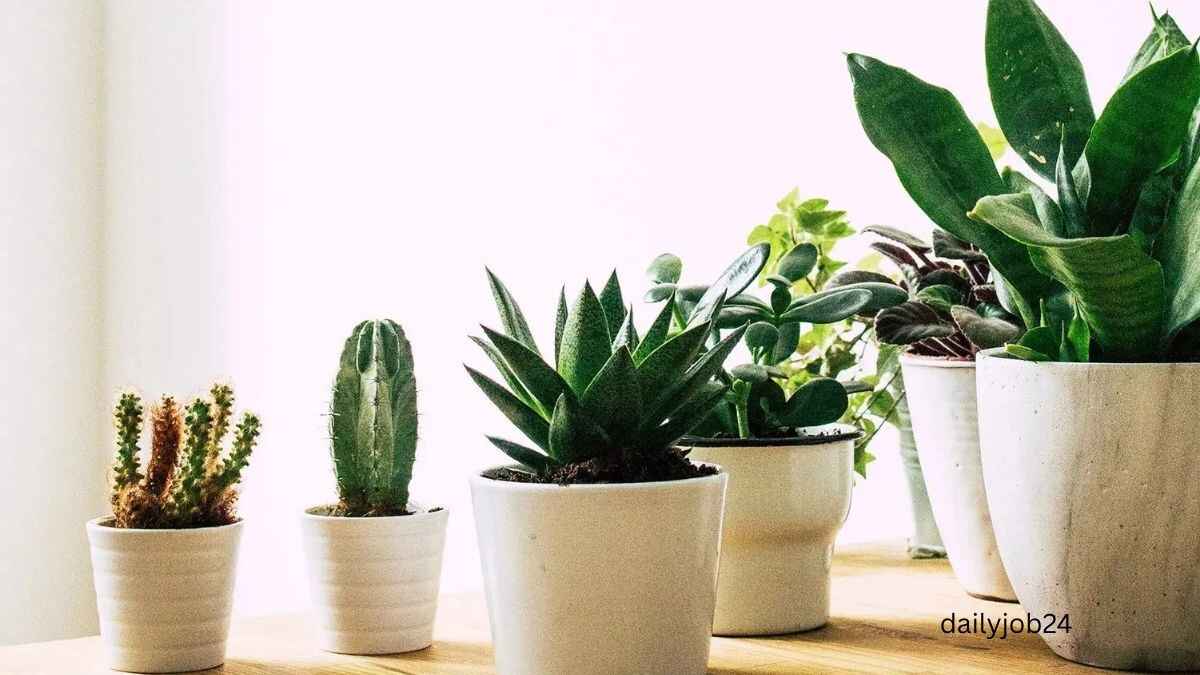
Best Air-Purifying Plants for Home: The indoor air pollution has become an increasing concern in the contemporary homes. Poor ventilation, dust, chemicals used to maintain furniture, cleaning products, paints, and other chemicals may decrease the quality of indoor air and influence health in the long term. Although air purifiers are not useless, there is a natural, beautiful, and cheap way to do it, air-purifying indoor plants.
Some indoor plants have the ability to remove toxic substances, add oxygen and enhance the indoor air quality. They also boost the decoration of the home, alleviate stress, and make the home a relaxing environment. This paper discusses the ideal air-purifying plants to keep at home and their advantages and the maintenance of the plants.
Plants that Reduce indoor air pollution
Mechanism of Action of Air-Purifying Plant?
Plants that purify air improve the air quality in an interior because:
- Taking up of carbon dioxide and giving out oxygen.
- Selecting toxins in the air by leaves and roots.
- Increasing humidity levels
- Dust particles are trapped on the leaves.
- The soil microorganisms also contribute due to their role in the decomposition of harmful compounds that are taken up by the plant.
- Although plants cannot substitute the correct ventilation, they can be a very good natural addition to cleaner air.
- Health Advantages of Air Cleaning Plants in the Home.
Having plants that clean air in your house is beneficial in a variety of ways:
- Cleaner indoor air
- Reduced stress and anxiety
- Better sleep quality
- Greater concentration and efficiency.
- Improved interior design.
They come in particularly handy in bedrooms, living rooms, kitchen rooms, and home offices.
The list of best air-purifying house plants.
The following are some of the best and most frequented air-purifying indoor plants that are relatively easy to maintain.
1. Snake Plant (Sansevieria)
Among the most efficient air purifying plants in the house is the snake plant.
Why it’s excellent:
- Plants carbon dioxide to oxygen even at night.
- Eliminates poisonous substances such as formaldehyde and benzene.
- Thrives in low light
- Requires minimal watering
It is best in bedrooms and homes that do not need much care.
2. Peace Lily
Peace lilies are characterized by the beautiful white flowers and great purification capacities of air.
Benefits:
- Filter ammonia, formaldehyde and benzene.
- Helps reduce mold spores
- Grows well in low and medium light.
Peace lilies are simple to maintain and like wet soil.
3. Spider Plant
Spider plants are easy to use and good in air purification.
Why choose it:
- Eliminates formaldehyde and carbon monoxide.
- Easy to grow and propagate
- Safe for homes with pets
- The most ideal place to hang baskets.
4. Pothos (Money Plant)
Pothos is a very resilient indoor plant that is very common.
Air-purifying benefits:
- Eliminates chemicals such as formaldehyde and xylene.
- Grows well in low light
- Requires minimal care
- It is a widespread decorative plant because of its trailing vines.
5. Areca Palm
Areca palm is also among the most suitable plants to make the air in a large area cleaner.
Why it’s effective:
- Acts as a natural humidifier
- Gets rid of toxins such as toluene and xylene.
- Gives tropical appearance to the interiors.
- It favors sunshine and frequent watering which is indirect.
6. Rubber Plant
Rubber plants are superior to filter indoor air.
Benefits:
- Massive leaves trap aerosol toxins.
- Low maintenance
- Thrives in indirect light
- It also provides height and form to rooms.
7. Aloe Vera
Aloe vera is also ornamental and useful.
Why it’s beneficial:
- Eliminates formaldehyde and benzene.
- Produces oxygen at night
- Offers medicinal benefits
- It likes sunlight and watering sparsely.
8. Bamboo Palm
Bamboo palm helps in enhancing the air quality and beauty.
Air benefits:
- ELCs benzene and trichloroethylene.
- Humidifies dry indoor air.
- Pet-friendly
- It performs in both offices and at home.
9. English Ivy
The English ivy is a strong air filtering plant.
Why it stands out:
- Reduces airborne mold
- Filters formaldehyde
- Grows in hanging containers.
- It likes cool and indirect light.
10. Aglaonema Chinese Evergreen
Chinese evergreen is recommended in low-light houses.
Benefits:
- Filters indoor pollutants
- Very low maintenance
- Ornamented patterned leaves.
- It is ideal in bedrooms and offices.
The best locations to retain air-cleaning plants.
Placing strategically enhances performance:
Bedrooms: Snake plant, aloe vera.
Dining rooms: Bamboo, palm.
Kitchens: Pothos, spider plant.
Bathrooms: English ivy, peace lily.
Home offices: ZZ plant, Chinese evergreen.
Plants in various rooms are more advantageous in coverage.
How Many Plants Do You Need?
To achieve visible quality of the air:
1–2 plants per small room
3–5 plants for larger spaces
Plants in general are a good thing, provided they are healthy.
Cautionary Advice about Air-Purifying Plants.
In order to make your plants work:
- Avoid overwatering
- Use pots with drainage holes
- Dust leaves frequently.
- Put plants in the appropriate light.
- Rotate plants occasionally
- Plants that are healthy do a better job of air purification.
Mutual Myths about Air-Cleaning Plants.
Myth: A single plant is able to clean up a whole house.
Fact: Several plants complement each other.
Myth: Every plant purifies the air.
Fact: there are plants which are much more useful than others.
Myth: Ventilation is substituted with plants.
Fact: Plants do not block but facilitate fresh air.
Conclusion
Plants which purify the air are a natural, cheap and attractive method of enhancing the quality of the indoor air. There is a snake plant that needs low maintenance and a fancy peace lily and a tropical palm which fits any home and lifestyle.
With proper selection of plants, timely watering, and proper care, you can make your residence a healthier, fresher and more relaxing living environment, of course.









[…] Best Air-Purifying Plants for Home […]