
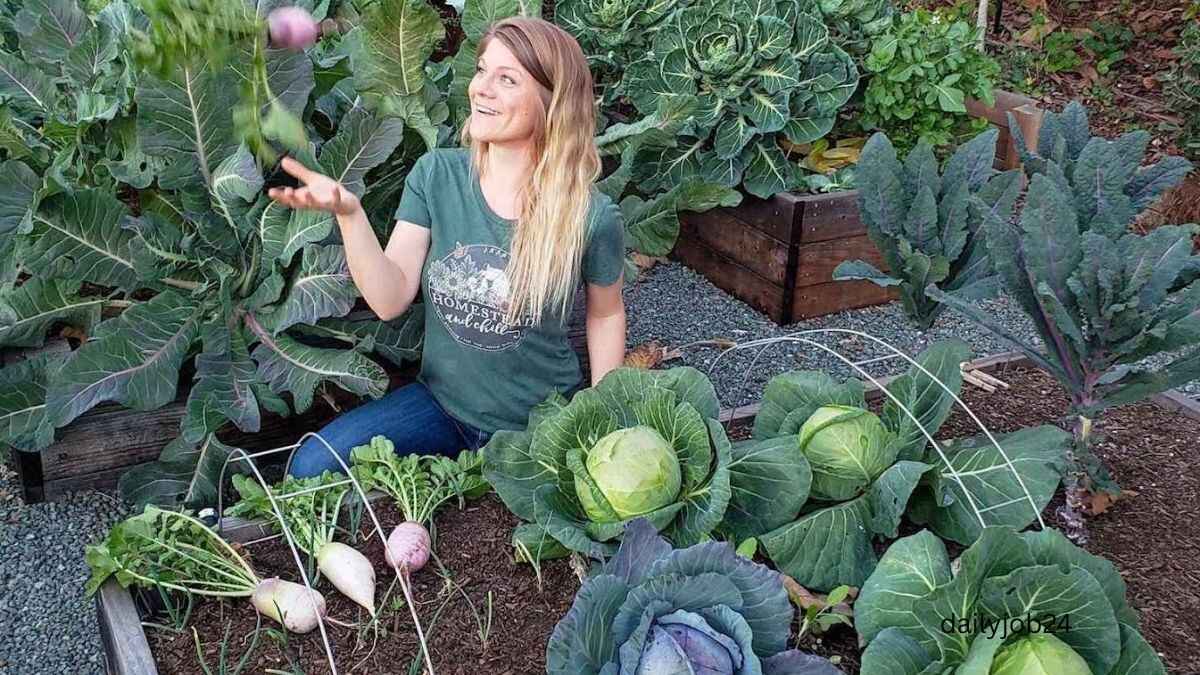
Best Plants to Grow in Winter: Many consider winter as a season when there is no gardening to be done, yet with the right selection of plants it may end up as one of the most fruitful ones of the year. Most vegetables, herbs and even flowers in actual fact root better under cooler conditions and taste better, grow better, and contain less pest issues than summer crops.
Despite it being winter and you may only have a garden in the backyard or a terrace or a balcony or inside pots, you can still garden in winter. The paper will discuss the most common winter plants, such as vegetables, herbs, flowers, and low maintenance plants and the necessary tips of winter care.
Why Winter is a good period of growing plants.
There are a number of benefits of winter gardening:
- Low temperatures decrease the stress of plants.
- Fewer insects and pests
- Less fast growth causes enhanced taste (vegetables particularly)
- There is a need to water less often.
- Best suited to root crops and green leaf.
- Winter plants may grow magnificently when they are getting enough sunlight and protection against frost.
The Top Winter Vegetables to plant.
The winter varieties of vegetables are mostly cold tolerant. Most of them taste better following light frost.
1. Spinach
Spinach is also among the best vegetables in winter.
Why grow spinach in winter:
- Grows very well in low temperatures.
- Rich in nutrients
- Fast-growing
- Spinach grows under semi to full sun and in damp soil.
2. Carrots
Carrots are amazingly produced in the winter.
Benefits:
- Sweeter taste during cold weather.
- Low maintenance
- Grows well in pots and ground
- Straight roots require loose, well -drained soil.
3. Peas
Peas are traditional winter harvests.
Why they’re ideal:
- Cool-weather loving plant
- Easy to grow
- Improves soil quality
- They should be assisted in climbing and watering.
4. Radish
Harvests of radishes do well in a short winter.
Benefits:
- Ready in 25–35 days
- Grows well in small spaces
- Minimal care required
- They are ideal for beginners.
5. Broccoli
Broccoli is grown within cool temperatures.
Why grow broccoli:
- Frost-tolerant
- Winter vegetable that is nutritious.
- Strong growth in winter sun
- It needs space and periodic watering.
6. Cauliflower
Cauliflower is a cool weather vegetable.
Benefits:
- Makes strong heads of the fir in the winter.
- Less pest pressure
- High nutritional value
- It thrives in deep fertile soil under full sun.
7. Cabbage
Cabbage is also one of the most tough winter vegetables.
Why it’s great:
- Tolerates cold very well
- Grows slowly but steadily
- Ideal for winter harvesting
- Tight heads are formed by plenty of watering.
- Best Herbs to Grow in Winter
- There are numerous herbs that do very well in pots and soft winter.
8. Coriander (Cilantro)
Coriander grows more during winter compared to summer.
Why it’s ideal:
- Slow bolting in cool weather
- Strong aroma and flavor
- Easy to grow in pots
- Requires moderate sunlight.
9. Fenugreek (Methi)
Winter green is popular: fenugreek.
Benefits:
- Fast-growing
- concurrently
- Nutritious leaves
- Grows well in containers
- The leaves are clipped so that they can keep growing.
10. Parsley
Parsley grows in temperatures that are cool.
Why grow parsley:
- Cold-tolerant
- Long harvesting period
- Great for pots
- It likes half a day in the sun and damp soil.
11. Mint
Mint is the one that grows in warm winters.
Benefits:
- Very easy to grow
- Thrives in pots
- Minimal care needed
- Shield against frost in extremely low temperature areas.
- Flowers to Grow in the Winter.
- During cold seasons, winter flowers provide color and liveliness in the gardens.
12. Petunia
The petunias come into flower in the winter.
Why they’re popular:
- Bright, colorful flowers
- Grow well in pots
- Long flowering season
- They require sunlight and immersive soil.
13. Pansy
The traditional winter flowers are pansies.
Benefits:
- Cold-tolerant
- Cheerful blooms
- Ideal for balconies
- They flourish in the complete or partial sunlight.
14. Calendula (Pot Marigold)
Calendula is a winter bloom.
Why grow it:
- Medicinal and decorative
- Easy to grow
- Conjures favorable insects.
- When well taken care of it blossoms and blossoms.
15. Sweet Pea
Sweet peas are perfect winter vines.
Benefits:
- Fragrant flowers
- Grows well in cool weather
- Adds vertical interest
- They require love and light.
Best Winter Low-Maintenance Plants
When you do not want to work hard, you can use the following:
- Spinach
- Radish
- Fenugreek
- Mint
- Pansy
These are non-stressful plants and easy-going.
The 60 Best Potted and Small space winter plants.
Grow: landscaping Are you stepping out onto a balcony or a terrace?
- Spinach
- Coriander
- Carrots
- Radish
- Petunia
- Pansy
Potatoes use good soil that is well drained.
Winter Plant Care Tips
To ensure the health of plants in winter:
- Water in the morning
- Avoid overwatering
- Provide maximum sunlight
- Cover plants with covers to avoid frost.
- Use well-drained soil
- Cold damp soil is damaging to roots therefore drainage is necessary.
Winter Gardening Dummies.
Avoid these mistakes:
- Overwatering
- Ignoring frost protection
- Planting of summer plants during winter.
- Poor sunlight placement
- Crowding plants
- Winter growth can be significantly enhanced by simple corrections to care.
- Growing in the Indoors in Winter.
When winter weather is bad, most winter plants may be cultivated indoors close to sunny windows:
- Spinach
- Coriander
- Mint
- Parsley
Be sure of no less than 4-6 hours of sunlight per day.
Conclusion
Winter is a good time to cultivate the many kinds of vegetables, herbs, and flowers. Winter gardening can be as as good as summer gardening with lower temperatures, fewer pests, and appropriate choice of plant.
The smart use of cold-tolerant and winter-resistant plants, and the observance of simple care guidelines can allow you to have fresh green plants and colorful flowers that will bloom and allow you to have a flourishing garden even during the coldest months.







[…] Best Plants to Grow in Winter […]