
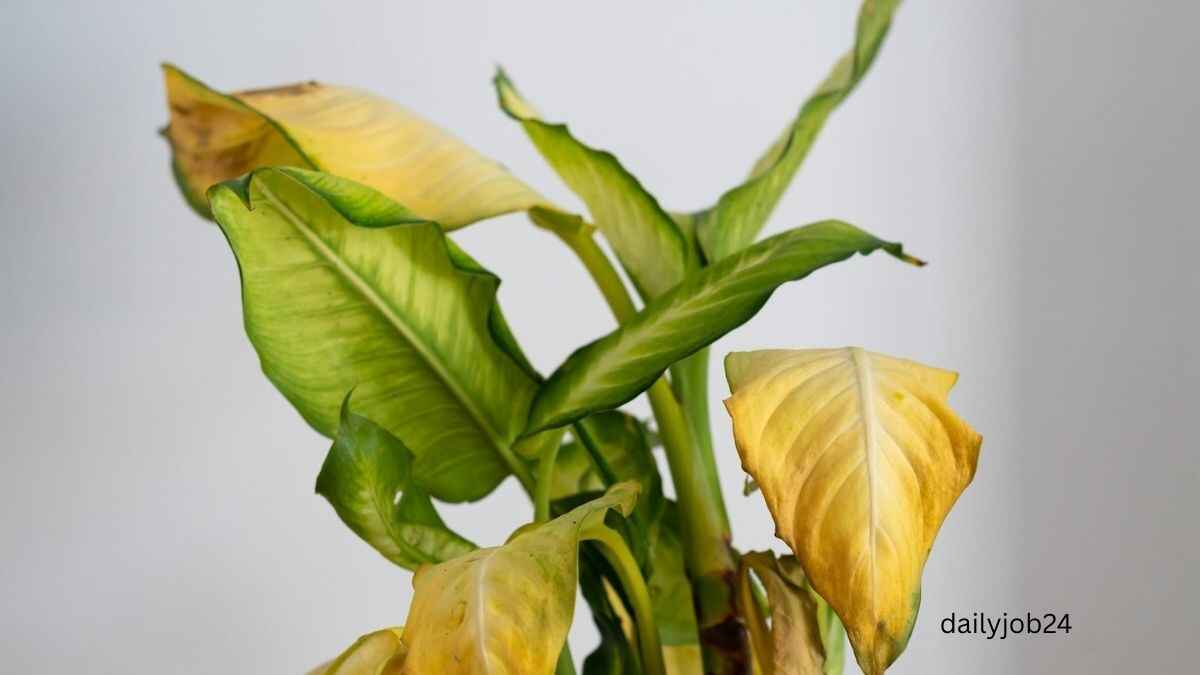
Common plant care mistakes beginners make?: It is exciting to start with house plants. An instant brightening of a room and the feeling of making your home calmer and more alive is provided by a new plant. However, as a beginner one will experience frustration when it comes to taking care of plants, leaves turn yellow, plants wilt, or you just take care of the plant and it dies. The issue in most instances is not necessarily the absence of effort, but rather the simple beginner errors that are relatively simple to escape when you are aware of them.
The good news? Plant teachers are tolerant. With knowledge of what to avoid, you can gain confidence very fast and have your plants healthy and in good condition. In this article, the most frequent errors that beginners commit in their care of plants are discussed, the reasons why these errors occur, and the possible means by which they can be corrected.
Best plants for beginners in 2026
1. Excessive watering (The Most Common Mistake)
The most common error is overwatering of houseplants. Novices hope that to water often is to be a good caregiver of plants but plants do not respond in such a manner.
Why it happens:
- Fear of underwatering
- Fixed watering schedules
- Lack of drainage awareness
What goes wrong:
- Roots sit in wet soil
- Oxygen can’t reach roots
- Root rot develops
How to fix it:
- Water only when the upper soil becomes dry.
- Use pots with drainage holes
- Empty surplus water of trays.
- In case of any suspicion one should wait another day and then water.
2. Scheduling Watering rather than Observing Soil
Plants never adhere to calendars. A plant which requires water after 7 days in summer might require water after 14 days in winter.
Why it’s a mistake:
- The temperature, light and humidity are ever-changing.
- Drying of soil occurs at varying rates.
Better approach:
- Touch the soil by fingertips.
- Not the clock, watch the plant.
- Change the seasons of watering.
- Flexibility in care is always superior to fixed schedules.
3. Employing Pots that do not have drainage holes
Ornamental pots lacking drainage holes are an unsuspected risk to the amateur.
What happens:
- Water collects at the bottom
- Roots drown silently
- Plant dies without any notice.
Solution:
- Always make use of pots with holes.
- In case of the use of decorative pots, a drainage pot should be located indoors.
- Do not allow plants to stand in standing water.
- Health of roots depends on drainage.
4. Being either Over- or Under-giving Light.
Light is plant food. Excesses of light or lack of light in the environment equally puts pressure on plants as well as inappropriate watering.
Common beginner mistakes:
- Planting plants in shady areas.
- Placing plants with low light content directly in the sun.
- Presupposing everything is bright sun.
How to fix it:
- Get to know whether your plant likes low, medium or bright indirect light.
- Measured reactions of the leaves (burning, stretching, fading).
- Adjust placement gradually
- The majority of indoor plants like bright indirect lighting.
5. Repotting Excessively Or Too Early.
Novices assume that repotting makes plants grow more quickly, however, too much repotting may be detrimental to the plants.
Why it’s a problem:
- Roots get disturbed
- Plant experiences shock
- Growth slows down
Correct approach:
- Repot only when the roots become too big to remain in the pot.
- Select only a pot that is 1-2 inches bigger.
- Repot when in growing seasons.
- Plants are more of stability than change.
6. Overusing Fertilizer
Increased amount of fertilizer does not translate to increased growth. Actually, excess fertilizing may burn roots and leave leaves ravaged.
Typical symptoms of fertilizer damage:
- Brown leaf edges
- White crust on soil
- Sudden leaf drop
Beginner-friendly rule:
- Fertilize lightly
- Use diluted fertilizer
- Only active growth should be fed.
- Fertilize under uncertainty, not excessively.
7. Ignoring Humidity Needs
Indoor air can be considerably drier than the plants would like it to be, particularly when there is air conditioning or heaters.
Mistakes beginners make:
- It is just necessary to assume normal room air.
- Disregarding curling or crispy leaves.
Simple fixes:
- Use a humidity tray
- Occasionally (where humidity is a requirement) mist.
- Group plants together
- Tropical vegetation usually requires additional moisture in the atmosphere.
8. Not Cleaning Leaves
Leaves with dust block the photosynthesis and breathing of a plant.
Why beginners overlook this:
- Focus is only on watering
- Leaves “look fine” at first
Why it matters:
- Dust blocks light
- Pests hide more easily
- Plant growth slows
Solution:
- Clean off using a wet cloth.
- Clean leaves every few weeks
- Healthy plants are the result of clean leaves.
9. Neglecting Early Warning of Stress.
Plants tend to give warnings when something serious is about to occur, however new people tend to miss or disregard these warnings.
Early warning signs include:
- Yellowing leaves
- Drooping or curling
- Slow or no new growth
- Spots or discoloration
What to do:
- Adjust one factor at a time
- Check water, light and drainage.
- Wait and see–plants take long to heal.
- Timely intervention averts a future harm.
10. Treating All Plants the Same
Plants vary in their needs and beginners tend to take care of all the plants the same way.
Why this causes problems:
- The care of succulents and ferns is very different.
- Not all watering styles suit one.
Better habit:
- Get to know fundamental requirements of every plant.
- Combine the plants that need the same level of care.
- Label plants if needed
- Learning about the differences is the key to success.
11. Using the Wrong Soil
Poor quality soil or garden soil may suffocate roots and have excessive water.
Common mistakes:
- Using outdoor soil indoors
- Reusing old, compacted soil
Correct approach:
- Potting mix should be well drained.
- Select the soil appropriate to the type of plant.
- Refresh soil when repotting
- Good soil is the beginning of healthy roots.
12. Panicking When Leaves Drop
When the plant is shedding leaves it does not necessarily imply that the plant is dying.
Normal reasons for leaf drop:
- Environmental change
- Seasonal adjustment
- Minor stress
What beginners should do:
- Do not over-react with watering or fertilizer.
- Give the plant time to adjust
- Monitor new growth
- An important skill in plant care is patience.
13. Expecting Instant Growth
Plants are slow to grow particularly house plants.
Novice frustration is caused by:
- Making the comparison of growth to social media pictures.
- Expecting fast results
Reality:
- Growth takes weeks or months
- The best indicator of success would be new leaves.
- Care of plants is not a quick payback.
14. To Kill One Plant and Bury the Dead
Virtually, every plant parent kills a plant at one time.
Important truth:
Murdering a plant does not imply that you are bad at taking care of plants.
Every failure is a lesson in itself.
Best mindset:
- Learn from mistakes
- Begin with less difficult plants.
- Improve with experience
- Plant care is acquired rather than inherited.
How Starting Students Can prevent these pitfalls.
Small steps can be very large:
- Begin with low maintenance plants.
- Learn before watering
- Observe plants regularly
- Make small adjustments
- Be willing to make mistakes.
- Trust is acquired with experience.
Conclusion
The majority of the issues that beginners encounter with plants are the ones caused by care that is provided with love, without knowledge. The most frequent mistakes are overwatering, wrong light, bad drainage and impatience, yet they can be painfully easy to correct once they are discovered.
Plant care is easier and more enjoyable by being less quick, keeping watch of your plants and understanding their cues. Whether a new shoot or the leaf is healthy, this is all evidence that you are learning. An error is confidence with time and practice–and you will be growing plants.




[…] Common plant care mistakes beginners make? […]