
Plants that Reduce indoor air pollution:The issue of indoor air pollution is one that is not given much attention and the issue can silently impact on health, comfort and well being. Most individuals think that pollution is an outdoor problem only, however, indoor air may harbor toxic substances given out by furniture, cleaning agents, paints, plastics, synthetic fabrics, and bad ventilation. These pollutants may over time cause problems with breathing, fatigue, reduced concentration, allergies and headaches.
Planting of air-cleaning plants in your home is one of the natural and efficient ways of fighting indoor air pollution. Some indoor plants can be used to remove the pollutants, raise the oxygen level, as well as the overall quality of indoor air. This paper discusses the use of plants to reduce indoor air pollution, its mechanism and how to make good use of the plants in your home.
Best Air-Purifying Plants for Home
What is the source of Indoor Air Pollution?
Some of the sources of indoor air pollution include:
Divans and carpets emitting formaldehyde.
Scott, paints, varnishes, adhesives.
- Cleaning agents and air sprays.
- Fumes of tobacco and cooking.
- Inadequate ventilation and closed interior areas.
Such pollutants have the potential to build up in the houses, particularly in apartments and contemporary homes that are energy saving.
Best plants for stress relief and mental health
Plants can improve the indoor air quality in a number of ways:
- Taking in toxins: Leaves take in poisonous gases by means of small gills.
- Root-zone filtration: The pollutants are degraded by the microorganisms in the soil.
- Production of oxygen: Plants emit oxygen in the process of photosynthesis.
- Moisture control: Moisture added to the dry indoors air by plants.
- Dust reduction: Leaves entrap dust.
Plants will not be able to remove all the pollution but they do offer significant assistance to healthier and cleaner indoor air.
These are the top plants that can help reduce indoor air pollution.
Some of the best indoor plants that have been known to reduce the air pollution and improve indoor environments are listed below.
1. Snake Plant
Snake plants form some of the strongest and low maintenance air purifying plants.
Why it works well:
- Sorbs formaldehyde, benzene and carbon monoxide.
- Releases oxygen at night
- Thrives in low light
- Needs minimal watering
Ideally, it fits bedrooms and offices.
2. Peace Lily
Peace lilies are associated with beauty and minimization of pollution.
Air-cleaning benefits:
- Removes ammonia, benzene and formaldehyde.
- Helps reduce mold spores
- Improves humidity
They like low to medium light and well-moist soils.
3. Spider Plant
Spider plants are very easy to work with and very efficient.
Why it’s useful:
Inhibits carbon monoxide and formaldehyde.
- Quickly growing and propagating.
- Safe for pets
Fabulous in kitchen, next to the living room and hanging baskets.
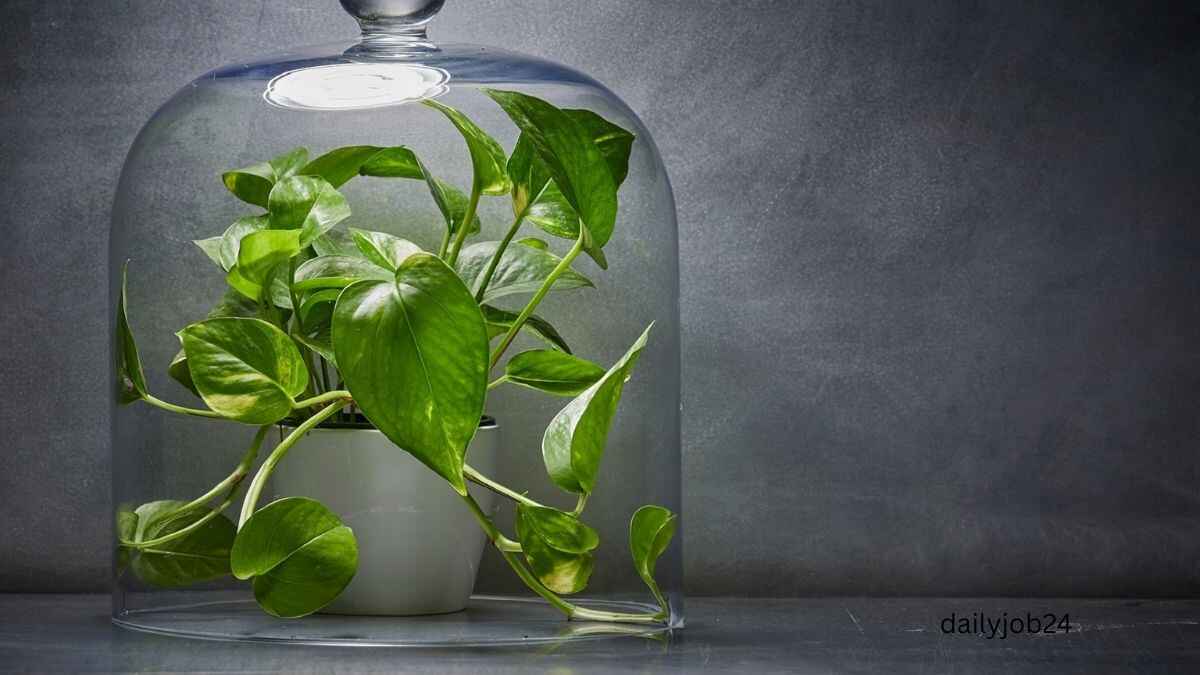
4. Pothos (Money Plant)
Pothos is a very flexible indoor plant.
Pollution-reducing abilities:
- Absorbs formaldehyde and xylene.
- Thrives in low light
- Requires very little care
It fits in well in apartments and hectic living situations.
5. Areca Palm
Areca palm is suitable to use in bigger indoor areas.
Why it’s effective:
- Also acts as a natural air humidifier.
- Removes airborne toxins
- Adds a tropical feel indoors
It likes sunshine that is indirect and frequent watering.
6. Rubber Plant
Rubber plants contain large and thick leaves that entrap pollution.
Benefits:
- Inhales chemicals effectively.
- Low maintenance
- Grows well indoors
Suitable in the living rooms and home offices.
7. Aloe Vera
Aloe vera is functional as well as cleans air.
Why it’s helpful:
- * Etherifies benzene and formaldehyde.
- * Produces oxygen at night
Offers skin care medicinal gel.
It does not like darkness and excessive wetting.
8. Bamboo Palm
Bamboo palm is great in the reduction of indoor toxins.
Air benefits:
- Filters trichloroethylene, benzene and formaldehyde.
- Improves indoor humidity
- Pet-friendly
Furnishes bedrooms and living rooms.
9. English Ivy
English ivy particularly works against allergens.
Why it stands out:
- Reduces airborne mold
- Filters formaldehyde
- Beautiful in hanging containers.
It likes lower temperatures and diffused light.
10. Chinese Evergreen
Chinese evergreen can be planted in low lights.
Why it’s apartment-friendly:
- Filters indoor pollutants
- Very low maintenance
- Decorative leaves
Efficient in the office and bedrooms.
Most of the best rooms to place the air cleaning plants are those with lots of light.
Positioning is better in strategic locations:
- Bedrooms: aloe vera, snake plant.
- Living rooms: areca palm, rubber plant.
- Kitchens: Spider plant, pothos.
- Bathrooms: Peace lily, English ivy.
- Home offices: Snake plant, Chinese evergreen.
Planting more than one plant in your entire house will cover more areas.
How Many Plants Do You Need?
A single plant proves helpful, but a group of plants is more efficient.
General guideline:
- 1–2 plants for small rooms
- 3–5 plants for medium rooms
- Various plants in bigger locations.
Plants which are healthier are better in air-cleaning.
Planting pollution-reducing plants is a good idea to take care of, as they help in reducing pollution.
In order to maintain your plants:
- Avoid overwatering
- Use pots with drainage holes
- Wipe the leaves regularly to get dust off.
- Provide appropriate light
- Turn plants to make them grow evenly.
Poor plants will fail to clean air effectively.
Plants and Air Pollution Common Myths.
Myth: Mystic: There is a single plant that can purify all indoor air.
Reality Multiple plants ameliorate air quality over time.
Myth: Plants of all kinds clean air.
Reality: There are much more effective plants.
Myth: Plants instead of ventilation.
**Fact: Plants promote- not substitute fresh air.
Conclusion
The problem of indoor air pollution is a fact but nature has a very simple and beautiful solution. Indoor plants are also beneficial in cleaning pollutants in the indoor air, enhancing air oxygen and establishing a healthier and more comfortable indoor environment.
Naturally, by selecting the appropriate plants and locating them strategically around your house, you can simultaneously increase the quality of air in your home, as well as improve the appearance and feel of your living room.








[…] Plants that Reduce indoor air pollution […]
[…] Plants that Reduce indoor air pollution […]