
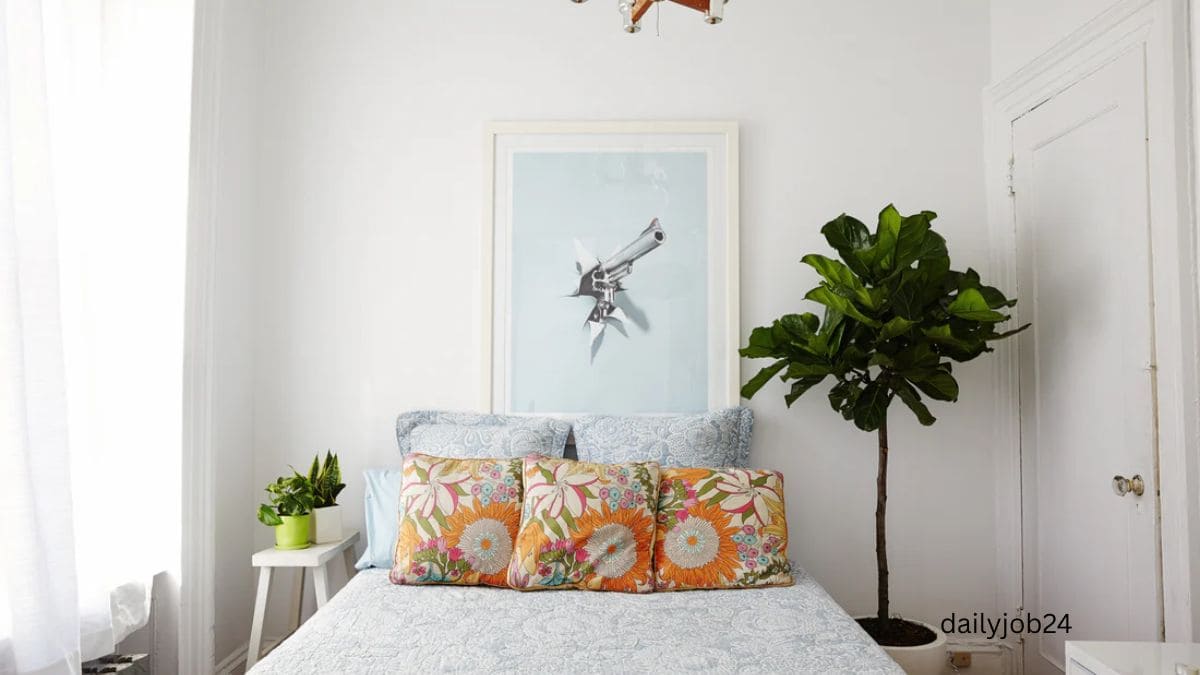
Top Indoor Plants for Bedrooms: A peaceful and relaxing bedroom is crucial for getting a good night’s sleep, and indoor plants can have a surprisingly significant impact on this. Beyond just being aesthetically pleasing, some bedroom plants aid in air purification, humidity regulation, stress reduction, and relaxing, all of which improve sleep. Adding the correct indoor plants to your bedroom is a clever and cost-effective approach to enhance your sleeping environment if you’re searching for natural solutions.
The best indoor plants for beds will be discussed in this article, along with how they promote better sleep and how to take care of them so they can flourish in low light.
Top Indoor Plants for Bedrooms
The Benefits of Indoor Plants for Bedrooms
Bedrooms benefit from indoor plants in a number of ways:
- Enhance the quality of the air by removing pollutants
- Boost oxygen concentrations (some plants release oxygen at night).
- Calm greenery can help reduce tension and anxiety.
- Increase humidity to aid in breathing and dry air.
- elevate mood and create a tranquil sleep environment
- According to scientific research, exposure to plants can lower blood pressure, lessen mental tiredness, and encourage relaxation—all essential components for restful, deep sleep.
1 – Mother-in-law’s tongue, or snake plant
One of the greatest bedroom plants for improved sleep is the snake plant. It is perfect for sleeping areas since, in contrast to most plants, it releases oxygen at night.
Advantages
- Enhances the quality of the air at night
- filters harmful substances including benzene and formaldehyde.
- Very minimal upkeep
Tips for Care:
- Thrives in indirect light that is bright to low.
- Water sparingly (the biggest risk is overwatering).
- Ideal for novices
2 – The Lavender Plant
Lavender is well known for its ability to improve sleep and reduce stress. It has been demonstrated that its calming aroma lowers anxiety and slows heart rate.
Advantages
- Encourages rest and more restful sleep
- lessens the symptoms of stress and insomnia
- A pleasant, organic scent
Tips for Care:
- Need sunshine or bright indirect light next to a window.
- When the soil is dry, add water.
- Best placed on a bedside table or windowsill
3 – Lily, peace
The peace lily is a common bedroom plant since it is both beautiful and useful. It adds a soothing visual presence and aids in air purification.
Advantages
- Eliminates airborne pollutants
- Raises the humidity level inside
- Aids in the reduction of mould spores
Tips for Care:
- Thrives in low light
- Once a week, water
- Thirst is indicated by drooping leaves.
4 – Aloe Vera
Aloe vera is a fantastic option for bedrooms in addition to being a medical plant. It enhances the quality of the air by releasing oxygen at night.
Advantages
- Increases oxygen levels at night
- Pollutants are eliminated by gel, which also improves skin.
Tips for Care:
- prefers bright indirect light.
- Water every two to three weeks.
- Use soil that drains effectively.
5 – The English Ivy
English ivy is well renowned for its capacity to lessen airborne mould, which can enhance breathing and sleep quality, particularly for allergy sufferers.
Advantages
- Minimises allergies and mould
- Enhances the quality of the air
- Small and ornamental
Tips for Care:
- Enjoys indirect light
- Keep the soil a little damp.
- Perfect for hanging baskets
6 – The Areca Palm
As a natural air humidifier, the areca palm is ideal for dry bedrooms and those with respiratory or sinus problems.
Advantages
- Increases the humidity
- Filters the air within
- Creates a tranquil, tropical atmosphere
Tips for Care:
- The best light is bright and indirect.
- Water frequently, but stay away from damp soil.
- Needs room to develop
7 – The Jasmine Plant
Jasmine’s ability to induce slumber is widely recognised. According to studies, the aroma of jasmine may enhance the quality of sleep and lessen tension at night.
Advantages
improves the quality of sleep
lessens anxiety and restlessness
Calm, sweet scent
Tips for Care:
- Bright indirect light is required.
- Regularly water
- Ideally situated close to the bed
8 – Devil’s Ivy, or Pothos
Pothos is a resilient, low-maintenance plant that helps purify interior air and grows well in low light.
Advantages
- Filters poisons found indoors
- Simple to cultivate and maintain
- Perfect for hanging pots and shelving
Tips for Care:
- Thrives in low light
- When the dirt feels dry, add water.
- Extremely tolerant plant
9 – The Spider Plant
Spider plants are suitable for households with pets and are a great way to improve the quality of the air.
Benefits:
- Eliminates pollutants and carbon monoxide
- enhances the passage of oxygen
- Not harmful to animals
Tips for Care:
- prefers bright indirect light.
- Water once a week to easily produce young plants
10 – The Valerian Plant
Traditionally, valerian has been utilised as a natural sleep aid. It is appreciated for its relaxing properties even though it is less popular indoors.
Advantages
- Encourages rest and sleep
- Eases anxiety and provides a natural substitute for sleep aids
Tips for Care:
- Bright light is required.
- Watering in moderation
- Ideal for bedrooms with good ventilation
What is the ideal number of plants for a bedroom?
Plants are good, but moderation is the key. An ordinary bedroom may often accommodate two to four medium-sized plants. Excessive humidity can be caused by too many plants, which may not be to everyone’s taste.
Ideal Bedroom Plant Placement Advice
Plants should not be near direct airflow (heaters or air conditioners).
Steer clear of clustering close to the bed.
Place leafy plants across the room and scented plants by the bed.
To avoid mould, use pots that drain properly.
Concluding
A natural and efficient technique to enhance the quality of your sleep, the freshness of the air, and your general well-being is to add indoor plants to your bedroom. The appropriate plants can turn your bedroom into a tranquil sleeping haven, from relaxing lavender and jasmine to oxygen-releasing snake plants.
Indoor Plants That Don’t Need Sunlight (Best No-Sunlight Houseplants Guide)







[…] Top Indoor Plants for Bedrooms (Better Sleep) […]